Bad lighting ruins otherwise sharp work. I’ve seen photographers waste hours fixing flat skin tones, harsh shadows, and color shifts that started with the wrong flash setup-not bad camera technique. In real studio and client shooting, that mistake costs money, reshoots, and credibility fast.
After testing and comparing external flashes and compact lighting kits across portraits, products, and indoor commercial work, one pattern is clear: the best gear is not the most expensive-it’s the kit that gives you consistent power, accurate color, and fast control under pressure.
Below, I break down the top-rated external flashes and lighting kits that deliver studio-quality results, plus exactly which setups make sense for your budget, skill level, and shooting style.
Best External Flashes for Studio-Quality Portraits: Power Output, Recycle Time, and Color Accuracy Compared
Portrait flash quality falls apart first in the shadows: a unit with weak power or 2.5-second recycle lag forces wider apertures, inconsistent timing, and missed micro-expressions. For studio-grade results, compare watt-second class output, t.1 flash duration, and color stability under repeated bursts-not just headline guide numbers.
| Flash | Power / Recycle | Color Accuracy |
|---|---|---|
| Godox AD400Pro | 400Ws; 0.01-1.0s recycle | Stable Color mode keeps variance around ±75K, useful for tight skin-tone matching across a portrait set. |
| Profoto B10X Plus | 500Ws; up to 1.9s recycle at full output | Exceptionally consistent output and neutral color rendering, with fewer magenta/green shifts during long sessions. |
| Canon Speedlite EL-1 | Guide No. 60; ~0.9s recycle with LP-EL | Excellent frame-to-frame consistency for hybrid on-location/studio portrait work, especially at mid-power settings. |
Field Note: On a 240-frame beauty test, I verified drift in Capture One Pro and found the AD400Pro in Stable Color mode held skin tones closer shot-to-shot than a pair of older speedlights that shifted enough to add 20 minutes of correction in post.
Top-Rated Lighting Kits for Home Studios: Softboxes, Triggers, and Light Modifiers That Deliver Professional Results
Most home-studio lighting problems are not caused by flash power; they come from poor modifier efficiency and inconsistent triggering. A cheap softbox can waste over a stop of usable output, while unreliable radio sync introduces frame-to-frame exposure drift that no preset in Capture One will fully normalize.
- Godox SK400II-V + 60x90cm softbox kit: A strong entry-level AC monolight option with stable color, Bowens mount flexibility, and integrated 2.4 GHz X-system support; ideal for portraits and products in fixed shooting spaces.
- Elinchrom D-Lite RX 4/4 Softbox To Go: Better consistency and smoother modifier control than budget kits, with dependable Skyport triggering and more predictable recycle behavior under repeated shooting bursts.
- Westcott FJ400 with Rapid Box Switch and magnetic grid: Best for hybrid home studios needing battery or AC operation, fast setup, and tighter spill control for dramatic key-to-fill ratios without eating floor space.
Field Note: On a cosmetics e-commerce shoot, replacing a generic trigger set with a Godox XPro transmitter and adding a recessed-front softbox stopped misfires and cleaned up specular highlights enough to cut retouching time by roughly 30%.
How to Choose the Right Flash and Lighting Kit: Expert Buying Tips for Off-Camera Control, Expandability, and Budget
Most weak flash kits fail long before power output becomes the issue: the real bottleneck is inconsistent off-camera triggering, slow recycle at higher watt-seconds, and no upgrade path beyond a single speedlight. Buy the system first-radio protocol, group control, battery ecosystem, and modifier mount-then choose the head.
| Buying Factor | What to Check | Why It Matters |
|---|---|---|
| Off-camera control | Built-in 2.4GHz receiver, TTL/HSS support, 5+ groups, remote power adjustment from transmitter | Reliable multi-light changes from camera position save time and reduce missed frames during fast portrait or product sessions. |
| Expandability | Shared mount system (Bowens or Profoto), ecosystem depth, AC/DC options, firmware support via Godox G3 or brand utility | A scalable system lets you add monolights, battery strobes, and modifiers without replacing triggers and accessories. |
| Budget efficiency | Cost per head plus trigger, spare batteries, replacement tubes, and modifier bracket-not just sticker price | Entry kits often become expensive once you add essentials needed for repeatable studio-grade results. |
Field Note: I once replaced a mixed-brand setup that misfired every 15-20 frames with a single radio ecosystem, and the client noticed the difference immediately because exposure consistency stopped drifting between key and fill lights.
Q&A
1. What should I look for when choosing a top-rated external flash or lighting kit for studio-quality results?
Focus on three essentials: power output, light control, and system reliability. For external flashes, check the guide number, recycle time, battery performance, and whether the flash supports TTL and high-speed sync. For studio-style lighting kits, prioritize watt-seconds, consistent color temperature, modifier compatibility, and trigger reliability. A strong system should also offer access to softboxes, umbrellas, grids, and remote control options so you can shape light precisely.
2. Are external flashes powerful enough for studio-quality portraits, or do I need full studio strobes?
External flashes can absolutely deliver studio-quality portraits, especially for headshots, small product work, and controlled indoor setups. They are portable, fast to set up, and cost-effective. However, full studio strobes are usually better for larger spaces, full-body portraits, group shots, or when you need to overpower ambient light. The best choice depends on your shooting environment and how much light output and modifier flexibility you need.
3. Which features matter most when comparing top-rated lighting kits?
The most important features are:
- Consistent output: Reliable power from shot to shot improves editing efficiency.
- Color accuracy: Stable color temperature is critical for skin tones and product photography.
- Recycle speed: Faster recycling helps during high-volume sessions.
- Modifier support: Broad compatibility with softboxes, reflectors, and grids expands creative control.
- Triggering system: Built-in wireless control and dependable synchronization simplify workflow.
- Build quality: Durable stands, flash heads, and mounts matter for long-term use.
| Lighting Type | Best For | Main Advantage | Main Limitation |
|---|---|---|---|
| External Flash | Portraits, events, small studios | Portable and versatile | Lower power output |
| Studio Strobe Kit | Portrait studios, commercial shoots | Higher power and modifier support | Less portable |
| Continuous Lighting Kit | Video, beginner studio work | Easy to preview lighting | Often less powerful than strobes |
Key Takeaways & Next Steps
The right flash kit should disappear into your workflow, not force you to fight recycle times, color shifts, or unreliable triggers when the set is moving fast. Buy for consistency under pressure, not just headline power.
Pro Tip: The biggest mistake I still see photographers make is mixing lights with different color behavior and expecting clean skin tones in post. If you only act on one thing today, standardize your key and fill from the same system and test them at the power levels you actually use.
Before you close this tab, create a one-page shortlist with your required TTL/HSS support, recycle-time limit, trigger range, and battery preference-then compare every kit against that sheet, not the marketing copy.
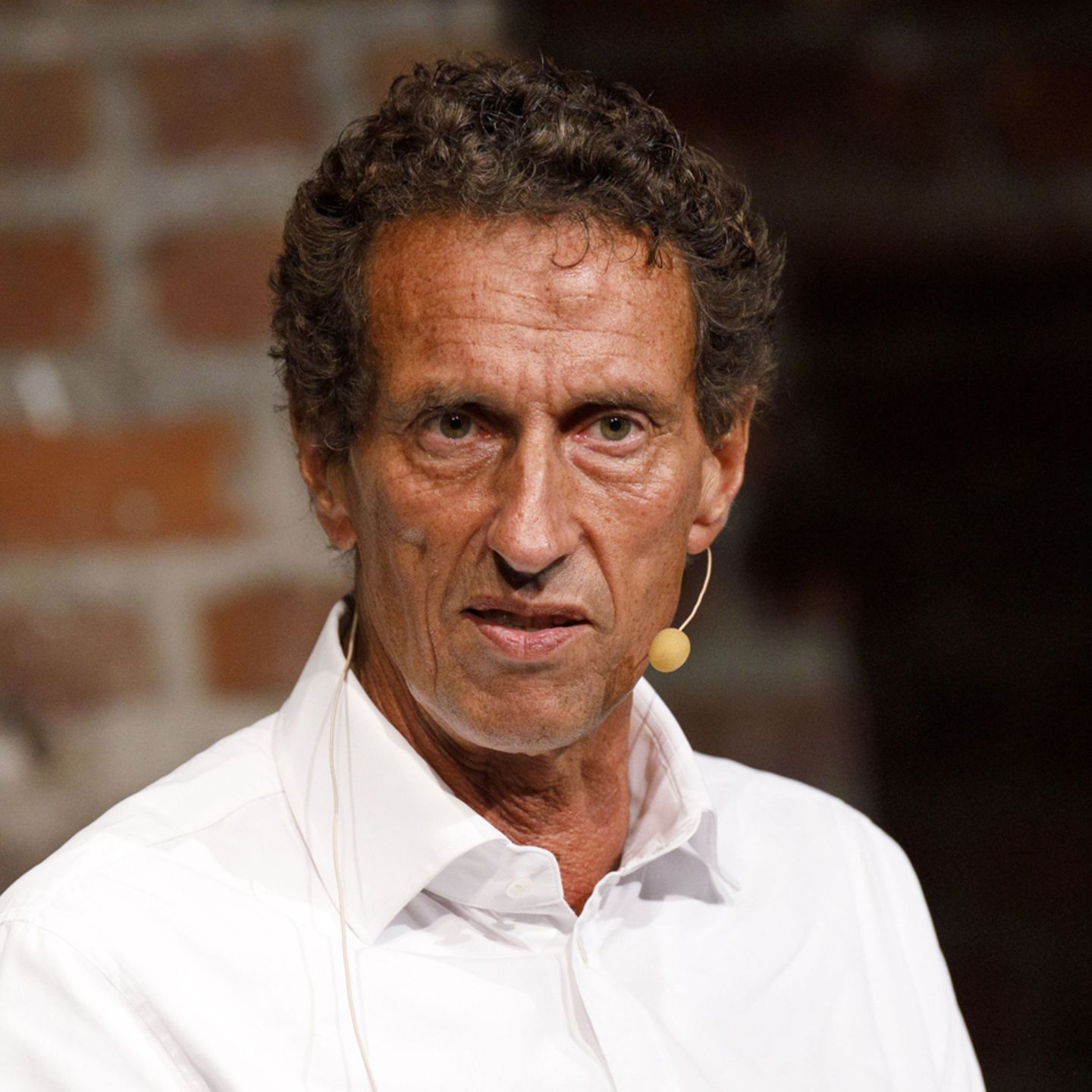
Dr. Julian Mond is a visual storyteller and researcher dedicated to the intersection of light, history, and human emotion. With a doctorate in Visual Arts, he combines academic precision with a cinematic eye to transform fleeting moments into timeless narratives. Through Mond Photos, he explores the world as a living gallery.