

Most photographers don’t have a talent problem-they have a pricing problem. I’ve seen skilled professionals book solid calendars and still burn cash because their rates ignore time, overhead, editing, taxes, and actual market positioning. Price too low, and profit disappears. Price too high without a strategy, and inquiries stall.
In my experience working with service businesses, bad pricing is one of the fastest ways to cap income and create constant resentment around client work. The cost of getting it wrong isn’t just lower revenue-it’s overwork, unstable cash flow, and a brand that attracts the wrong buyers.
Below, I break down the exact framework to price your photography services for real profit-including cost-based pricing, package structure, margin targets, and how to charge with confidence without losing serious clients.
Photography Pricing Strategy: Calculate Your True Cost of Doing Business and Build Profit Into Every Package
Most photographers underprice because they calculate shoot time and ignore overhead, post-production, taxes, equipment depreciation, and unpaid admin. If your pricing is not built from cost of doing business plus target profit margin, every “booked” job can quietly reduce your annual income.
- Calculate fixed annual costs: insurance, software, web hosting, gallery delivery, education, accounting, gear replacement, and studio rent; track them in Sprout Studio or a CODB spreadsheet.
- Add variable job costs: assistant wages, travel, permits, second shooters, album production, retouching, card replacement, and outsourced editing; divide total annual costs by realistic billable jobs, not calendar availability.
- Set package pricing with margin: CODB per job + your labor rate + product costs + 20% to 40% profit buffer; then test whether each collection still works after sales tax and merchant processing fees.
Field Note: I once rebuilt a wedding photographer’s packages after finding her “profitable” eight-hour collection was losing money because Lightroom culling, gallery revisions, and 3.5% card fees were never included in her per-job cost.
How to Price Photography Services for Different Niches: Profit-Driven Rates for Weddings, Portraits, Events, and Commercial Work
Most photographers underprice by using one hourly rate across every niche, even though editing time, licensing risk, and client expectations vary wildly. A wedding package can carry 20+ post-production hours, while commercial work often hinges less on shoot time and more on usage rights, crew costs, and retouching complexity tracked in Studio Ninja or Photo Mechanic.
| Niche | Pricing Model | Profit Driver |
|---|---|---|
| Weddings | Package-based pricing with coverage tiers, album upsells, and second-shooter fees | Margin improves when editing, culling, travel, and timeline management are built into a minimum booking threshold |
| Portraits / Events | Session fee or hourly base plus per-image, print, or overtime charges | Profit comes from controlling turnaround scope, gallery size, and add-ons rather than lowering the entry rate |
| Commercial | Creative fee + production expenses + licensing by usage, duration, and territory | Revenue scales through rights-managed pricing, not extra shooting hours |
Field Note: I once doubled a catalog client’s quote after discovering their “web-only” request actually included paid social, retailer listings, and a six-month regional ad buy that would have erased profit if billed as a flat day rate.
Raise Your Photography Rates With Confidence: Practical Pricing Models, Upsell Tactics, and Client Value Positioning That Increase Profitability
Most photographers undercharge because they price by shoot time instead of total production cost, post-processing hours, licensing scope, and margin target. If your average booking does not produce at least a 30% net profit after labor, software, travel, taxes, and equipment depreciation, your rate card is not sustainable.
- Cost-plus model: Calculate your base cost per job, add a fixed profit margin, then set a minimum booking threshold; use Studio Ninja or HoneyBook to track job-level profitability instead of guessing.
- Tiered package model: Create three anchored options-core, premium, and signature-where the middle package is engineered to sell, with upgrades like extra retouched files, extended coverage, albums, or commercial usage.
- Value-positioning model: Quote outcomes, not deliverables; for corporate, brand, or wedding clients, tie pricing to decision speed, image licensing, art direction, turnaround time, and revenue impact rather than “number of photos.”
Field Note: I raised a commercial headshot client from $650 to $1,450 by separating session fee, per-image retouching, and two-year internal licensing after they realized their previous “all-in” package never covered usage expansion requests.
Q&A
1. How do I calculate a profitable photography price instead of just copying competitors?
Start with your actual cost of doing business, then add your target profit margin. Your pricing should cover more than shooting time: include equipment depreciation, software, insurance, travel, editing, marketing, taxes, studio costs, outsourcing, and your own salary.
| Pricing Component | What to Include |
|---|---|
| Fixed overhead | Insurance, subscriptions, website, rent, gear replacement, accounting |
| Variable costs | Travel, assistants, prints, albums, props, delivery, outsourcing |
| Labor | Shooting, editing, client communication, planning, file management |
| Profit margin | The amount left after all costs, not just your wage |
A practical formula is: Total job cost + desired profit = minimum profitable price. If you skip detailed cost tracking, you risk charging rates that look competitive but leave little real income.
2. Should I charge hourly, per package, or a flat project rate?
For maximum profitability, most photographers benefit from package or project-based pricing rather than simple hourly billing. Hourly pricing can punish efficiency: the faster and more skilled you become, the less you earn for the same value delivered.
- Hourly pricing: Best for small, unpredictable jobs or add-on work.
- Package pricing: Ideal for portraits, weddings, branding, and events where clients want clarity.
- Project pricing: Strong choice for commercial work, where usage rights, planning, and deliverables matter more than time alone.
Packages improve profitability because they let you build in average editing time, client management, revisions, and upsells such as albums, prints, extra coverage, or extended licensing. The key is to define clear boundaries so clients understand exactly what is included.
3. How can I raise my photography prices without losing too many clients?
Raise prices when demand is strong, your calendar is filling up, your quality has improved, or your costs have increased. The safest approach is to increase rates strategically while also strengthening how your value is presented.
- Increase in steps: Test moderate price raises instead of making extreme jumps all at once.
- Improve positioning: Show stronger portfolios, testimonials, case studies, and a more polished client experience.
- Use anchoring: Offer tiered packages so your mid- and premium-level options feel justified.
- Add value selectively: Include faster turnaround, planning support, or premium deliverables instead of discounting.
- Review booking data: If you are booking nearly every inquiry, your prices may be too low.
Some price-sensitive clients will leave, and that is often healthy for profitability. The goal is not to book everyone. The goal is to book the right clients at rates that sustain your business and reward your expertise.
Wrapping Up: How to Price Your Photography Services for Maximum Profitability Insights
Your pricing should protect your time, reflect your expertise, and leave room for growth. If the numbers only work when every shoot goes perfectly, the structure is too fragile for a real business.
Pro Tip: The biggest mistake I still see photographers make is raising prices without tightening their packages, policies, and minimums. Higher rates alone do not fix weak margins; better boundaries do.
Before you close this tab, open your pricing sheet and calculate your profit on your last three bookings after editing time, travel, taxes, and delivery costs. If one package underperformed, rewrite it today or remove it. Profitability improves the moment your pricing stops rewarding busy work.
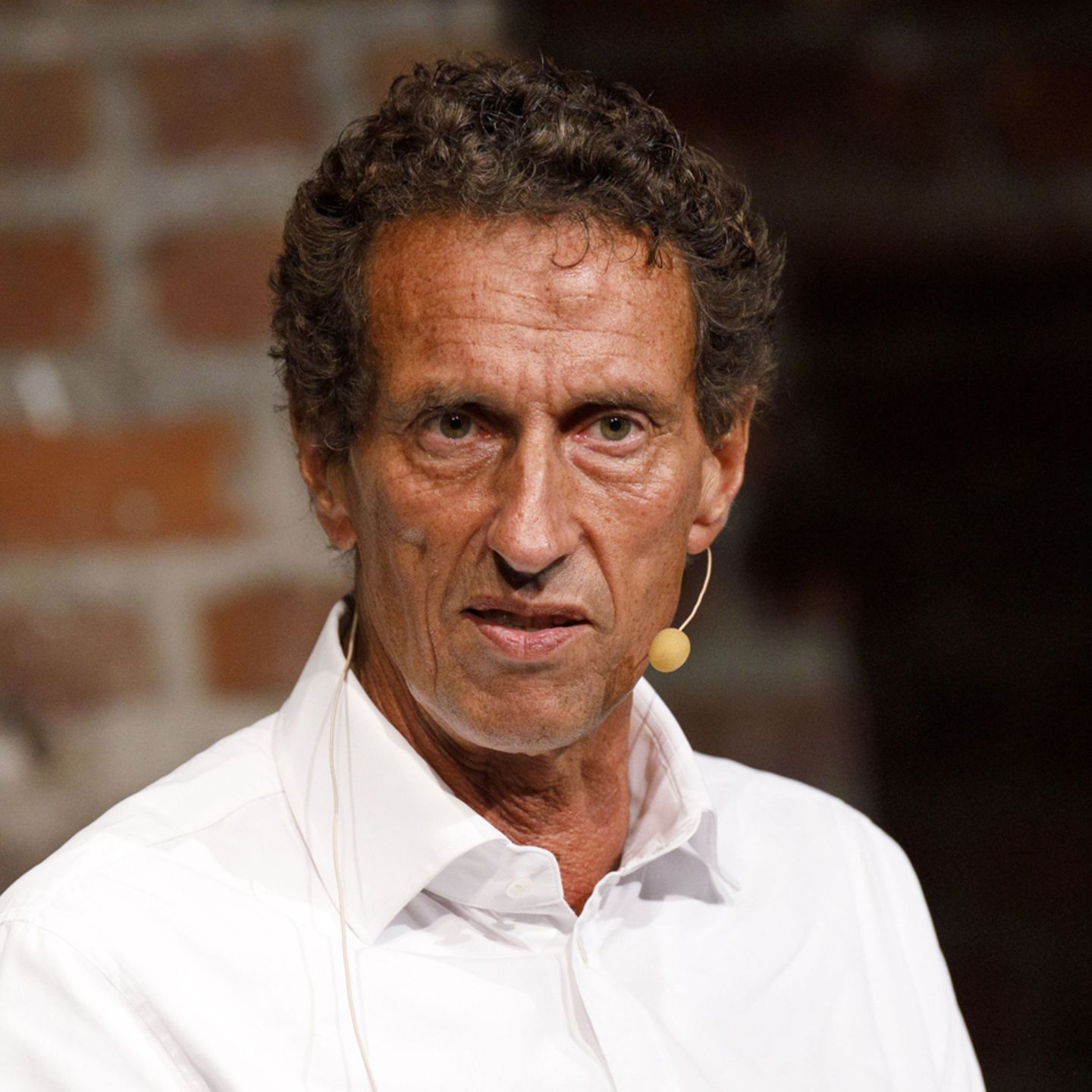
Dr. Julian Mond is a visual storyteller and researcher dedicated to the intersection of light, history, and human emotion. With a doctorate in Visual Arts, he combines academic precision with a cinematic eye to transform fleeting moments into timeless narratives. Through Mond Photos, he explores the world as a living gallery.