A weak portfolio doesn’t usually come from bad vision-it comes from the wrong camera missing focus, clipping highlights, or falling apart on paid shoots. I’ve seen working photographers lose client trust, reshoot entire sets, and burn thousands in billable time because their body couldn’t keep up with real-world demands.
After testing full-frame mirrorless systems across portrait, commercial, wedding, and hybrid video work, one pattern is clear: headline specs rarely tell you which camera actually earns its place in a professional kit.
Below, I break down the best full-frame mirrorless cameras for professional portfolios-based on autofocus reliability, dynamic range, lens ecosystem, workflow speed, and return on investment-so you can choose a body that strengthens your portfolio instead of limiting it.
Best Full-Frame Mirrorless Cameras for Professional Portfolios: Sensor Performance, Dynamic Range, and Real-World Image Quality Compared
Many portfolio failures are not caused by weak lenses but by sensors that collapse under mixed lighting, clipping bridal whites or blocking up tailored black fabrics by 1-2 stops. For professional deliverables, usable dynamic range at base ISO, clean ISO 3200-6400 files, and predictable color separation in skin and textiles matter more than headline resolution.
| Camera Class | Sensor Strength | Portfolio Impact |
|---|---|---|
| High-resolution bodies (45-61MP) | Maximum retouching latitude, strong base-ISO DR, finer tonal transitions | Best for commercial, beauty, architecture, and large-format print where aggressive cropping and texture fidelity are expected |
| Balanced pro hybrids (24-33MP) | Better high-ISO efficiency, faster readout, lower storage overhead | Most versatile for weddings, editorial, and corporate portraiture where turnaround speed and low-light consistency outweigh extreme pixel count |
| Stacked full-frame flagships | Fastest sensor readout, reduced rolling shutter, strong AF-linked keeper rates | Ideal for sports, events, and motion-heavy assignments, though some trade a small amount of base-ISO DR for speed |
Field Note: On a catalog shoot with reflective black garments, I recovered nearly a stop of shadow detail more cleanly by matching exposure in Capture One and disabling default contrast curves before export, which immediately reduced retouch time and noise cleanup across the set.
How to Choose a Full-Frame Mirrorless Camera for Client Work: Autofocus Reliability, Lens Ecosystems, and Workflow Efficiency
A full-frame body can produce portfolio-grade files and still fail on paid work if autofocus misses three key frames in a bridal entrance or executive portrait sequence. For client jobs, prioritize repeatable eye-detection accuracy, lens availability across focal lengths you actually bill for, and ingest/edit speed under deadline pressure.
- Autofocus reliability: Test subject recognition under backlight, mixed LED, and low-contrast skin tones; the best systems maintain stickiness in AF-C with face/eye priority while shooting 10-20 fps without viewfinder blackout interrupting tracking.
- Lens ecosystem: Judge the mount by native 24-70mm f/2.8, 70-200mm f/2.8, 35mm and 85mm fast primes, plus service turnaround and rental depth; a strong catalog reduces compromises more than a marginal sensor gain.
- Workflow efficiency: Check card write speed, dual-slot behavior, USB-C tether stability, and RAW handling in Capture One Pro or Photo Mechanic; bodies that generate cleaner previews and faster culling save more billable time than headline burst rates.
Field Note: On a corporate headshot day, I switched a camera from compressed RAW to lossless compressed after seeing delayed previews in Capture One Pro, and the client-facing tethered review became fast enough to keep 40 staff portraits on schedule.
Top Full-Frame Mirrorless Cameras for Portrait, Commercial, and Editorial Portfolios: Which Bodies Deliver the Most Professional Results
Most portfolio failures come from bodies that look impressive on spec sheets but collapse under mixed strobes, skin-tone edge transitions, or tethered commercial workflows. For portrait, editorial, and client-facing advertising work, sensor readout, AF consistency, flash behavior, and file malleability matter more than headline burst rates.
| Camera | Best Use | Professional Strength |
|---|---|---|
| Sony A7R V | Beauty, fashion, retouch-heavy campaigns | 61MP files hold pore-level detail, excellent Eye AF, and strong compatibility with Capture One Pro for tethered studio sessions. |
| Canon EOS R5 | Editorial portraits, hybrid commissions | Reliable Dual Pixel AF, strong skin rendering, and dependable flash sync workflow make it efficient for fast-moving commissioned shoots. |
| Nikon Z8 | Commercial portraiture, lookbook, motion-integrated sets | Stacked sensor responsiveness, robust subject detection, and high-end video parity suit crews delivering stills and campaign clips in one day. |
Field Note: On a cosmetics campaign, I switched from an overheating-prone hybrid body to the Z8 after repeated tether drops, and the client immediately noticed cleaner eye-lash detail and more consistent preview color under Profoto D2 heads.
Q&A
1. Which full-frame mirrorless camera is the best choice for building a professional portfolio across different genres?
For most professionals, the best all-around choice is a camera that balances resolution, autofocus performance, dynamic range, lens ecosystem, and reliability. Models such as the Sony A7 IV, Canon EOS R6 Mark II, and Nikon Z6 II/Zf are strong portfolio-building tools because they handle portraits, events, editorial work, and hybrid photo-video assignments well. If your portfolio depends heavily on high-detail commercial, fashion, or landscape work, higher-resolution bodies like the Sony A7R V, Nikon Z8, or Canon EOS R5 are often better fits. The right choice depends less on brand prestige and more on whether the camera supports your actual client work, preferred lenses, and delivery style.
2. Is high resolution always better for a professional portfolio?
No. High resolution is valuable, but it is not automatically the best option for every professional. Cameras with 45MP or more are excellent for commercial, product, landscape, architecture, and beauty photography where fine detail and cropping flexibility matter. However, they also create larger files, demand more storage, and can slow down workflow if your work is mainly weddings, events, documentary, or social content. For many professionals, a 24MP to 33MP full-frame camera is more than enough to produce polished portfolios, large prints, and client deliverables while keeping editing and backup more efficient.
3. What matters more for professional portfolio work: camera body or lens system?
The lens system usually matters more in the long term. A strong portfolio is shaped more by optical quality, focal length choices, rendering, low-light capability, and consistency than by body specs alone. A good camera body helps with autofocus, stabilization, speed, and usability, but if the lens lineup does not match your specialty, your growth will be limited. Before buying a full-frame mirrorless camera, professionals should evaluate whether the system offers the right portrait primes, fast zooms, macro options, tilt-shift lenses, or video-oriented glass needed for their portfolio goals.
| Professional Need | What to Prioritize |
|---|---|
| Portraits and weddings | Reliable autofocus, strong low-light performance, fast prime lenses |
| Commercial and studio work | High resolution, dynamic range, tethering support, sharp professional lenses |
| Sports and action portfolios | Fast burst rates, subject tracking, deep buffer, telephoto lens options |
| Hybrid photo-video portfolios | 4K/6K video quality, stabilization, heat management, audio support |
Expert Verdict on Best Full-Frame Mirrorless Cameras for Professional Portfolios
Your portfolio will be judged less by the logo on the camera and more by consistency under pressure. The biggest mistake I still see professionals make is buying for headline specs, then discovering too late that autofocus behavior, color response, and file workflow do not match the way they actually shoot.
Pro Tip: Before you commit, rent your top two bodies for the same client-style session and compare keeper rate, skin tones, battery drain, and edit time-not just image quality at 200%.
When you close this tab, create a side-by-side test folder on your desktop and label it with your three non-negotiables: speed, reliability, and output. That decision framework will protect your budget and your portfolio far better than any spec sheet.
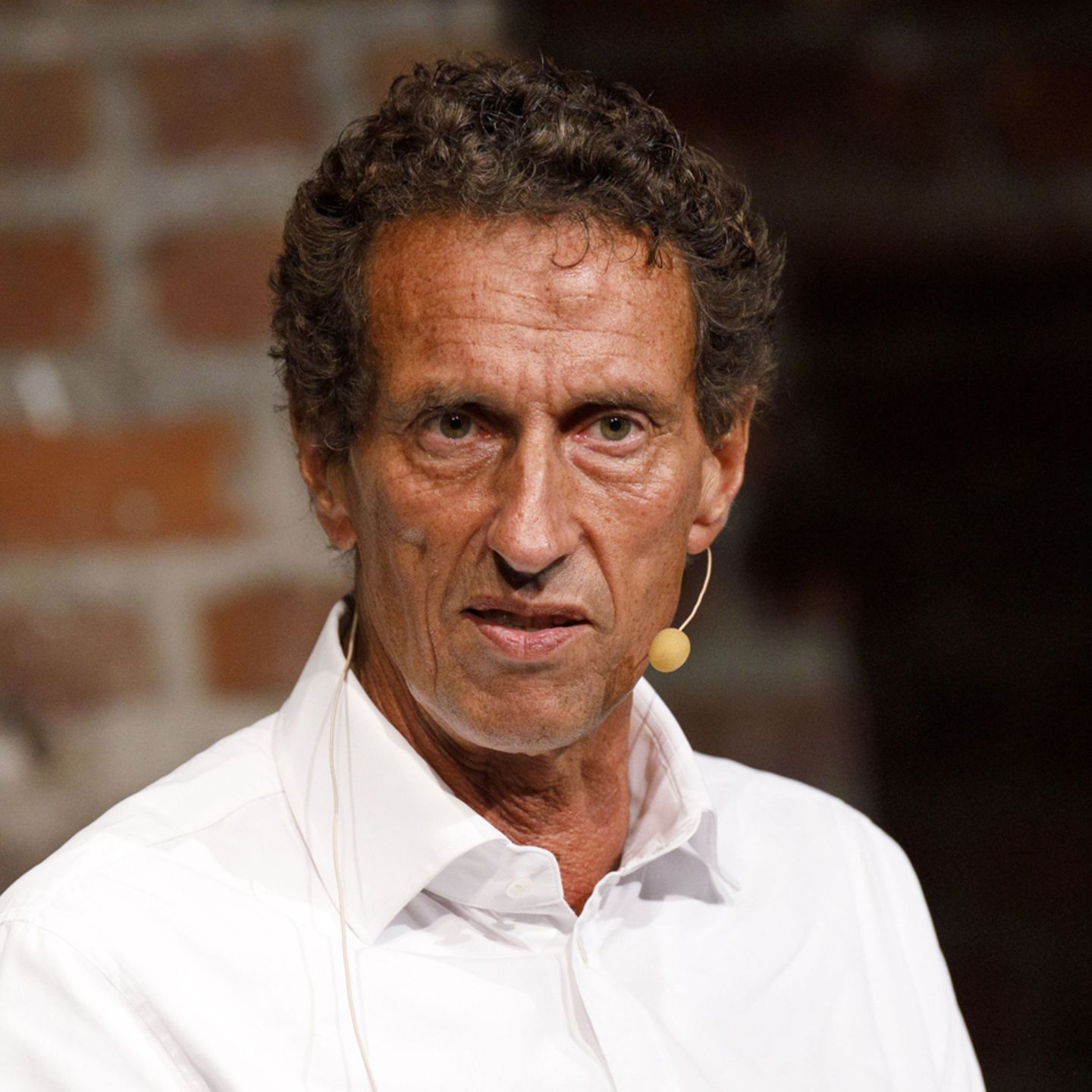
Dr. Julian Mond is a visual storyteller and researcher dedicated to the intersection of light, history, and human emotion. With a doctorate in Visual Arts, he combines academic precision with a cinematic eye to transform fleeting moments into timeless narratives. Through Mond Photos, he explores the world as a living gallery.