
Most photography portfolios fail for one reason: they showcase images, not buying decisions. A beautiful gallery can still repel ideal clients if the work feels unfocused, inconsistent, or impossible to hire from.
After helping photographers reposition their portfolios for higher-value bookings, I’ve seen the same mistake cost months of inquiries, weak leads, and thousands in missed revenue. A portfolio is not a scrapbook; it is a sales asset.
Below, I break down the exact structure that makes a portfolio look credible, targeted, and worth paying for. You’ll learn how to choose the right images, sequence them for impact, and present your work in a way that turns attention into bookings.
How to Curate a Photography Portfolio That Attracts High-Paying Clients: Image Selection, Sequencing, and Niche Positioning
Most photographers lose premium clients before the inquiry stage by showing too many images, mixed niches, and inconsistent post-production. A portfolio aimed at high-budget buyers should cap each niche gallery at 15-25 frames, with every image proving a repeatable commercial standard rather than isolated luck.
- Image Selection: Lead with your strongest commissioned-looking work, not personal favorites; remove near-duplicates, weak transitions, and any frame that lowers perceived production value under close art-director review.
- Sequencing: Build visual cadence: opener, proof-of-range, hero image, detail, context, emotional peak, and a clean closer. Use Photo Mechanic to cull aggressively and compare micro-variations in expression, gesture, and composition before final sequencing.
- Niche Positioning: Separate galleries by client buying intent-luxury weddings, hospitality interiors, personal branding, commercial lifestyle-so prospects immediately see relevance, budget alignment, and your understanding of their usage needs.
Field Note: I once increased a hospitality photographer’s conversion rate simply by removing eight wedding images from the homepage and reordering the remaining hotel work to show lobby, suite, dining, and staff storytelling in the same sequence a marketing director builds a brochure.
Portfolio Pages That Convert: Writing Case Studies, Pricing Cues, and Calls to Action for Professional Photographers
Most photographer portfolios fail at the conversion stage because they show images without proving business impact, process control, or purchase clarity. A high-performing portfolio page needs one tight case study, a visible starting investment, and a call to action that removes friction in under five seconds.
- Case studies: Structure each project as brief, challenge, production approach, and measurable outcome-such as faster bookings, stronger brand consistency, or image usage across web, print, and paid campaigns.
- Pricing cues: Do not hide all rates behind a contact form; use anchoring language like “Collections start at $2,400” or “Commercial day rates from $1,800” to pre-qualify leads and reduce mismatched inquiries.
- Calls to action: Match the CTA to buyer intent: “Request availability” for weddings, “Book a discovery call” for branding, or “Download rate card” for commercial work; tools like HoneyBook help track which portfolio pages generate form submissions.
Field Note: I once raised inquiry quality within two weeks by replacing a generic “Contact Me” button with “Check Q3 Commercial Availability,” then pairing it with a starting-price cue and a three-image case study from a campaign shot in Capture One.
Build a Photography Portfolio Website That Sells: SEO, Mobile UX, and Proof Elements That Turn Visitors Into Bookings
Most photography sites lose bookings before the gallery loads: oversized images, weak location SEO, and no proof stack. If your mobile Largest Contentful Paint is over 2.5 seconds, high-intent visitors will bounce before they see your work.
- Compress and serve responsive images in WebP/AVIF, lazy-load below-the-fold galleries, and verify Core Web Vitals in Google Search Console; portfolio pages should target fast first paint on 4G, not studio Wi-Fi.
- Build page-level SEO around booking intent: distinct service pages for “wedding photographer in [city]” or “personal branding photography [city],” schema markup, optimized alt text, and local internal links outperform a single generic portfolio.
- Add proof where decision friction happens: testimonial snippets beside contact CTAs, recognizable client logos, recent full-session galleries, pricing anchors, FAQ blocks, and a frictionless inquiry form with date, budget, and venue fields.
Field Note: I cut a photographer’s homepage from 8.1MB to 1.9MB, moved testimonials above the contact button, and after fixing mobile image scaling in Cloudinary, her inquiry-to-booking rate improved because prospects finally reached the form without stalling on load.
Q&A
-
FAQ 1: What should I include in a photography portfolio to attract paying clients?
A professional portfolio should show the kind of work you want to be hired for, not every good photo you have ever taken. Include a tightly edited selection of your strongest images, ideally grouped by niche such as weddings, portraits, commercial, food, or real estate. Make sure the work is consistent in style, lighting, editing, and quality. Add a short bio, clear service information, testimonials if available, and an easy way to contact or book you. If relevant, include case studies that show how your photography solved a client problem, improved branding, or supported sales.
-
FAQ 2: How many photos should a professional portfolio have?
Quality matters far more than quantity. In most cases, 15 to 30 outstanding images per specialty is enough to demonstrate skill without overwhelming potential clients. A weak image lowers the perceived value of the entire portfolio, so remove anything that feels repetitive, outdated, or slightly below your best standard. If you serve multiple markets, create separate galleries for each one rather than mixing unrelated work together. This makes it easier for clients to quickly see that you understand their needs.
-
FAQ 3: How do I make my photography portfolio actually sell my services?
Your portfolio should do more than display images; it should guide visitors toward hiring you. Use a clean layout, fast-loading pages, and simple navigation so the work remains the focus. Write service descriptions that explain the value of your photography, not just the technical process. Include pricing guidance or starting rates if appropriate, strong client testimonials, and clear calls to action such as booking a consultation or requesting a quote. The most effective portfolios combine visual excellence with trust signals and a frictionless path to inquiry.
|
Key Portfolio Element |
Why It Helps You Sell |
|---|---|
|
Curated niche-specific work |
Shows clients you specialize in the type of photography they need. |
|
Consistent editing and quality |
Builds confidence in your professionalism and reliability. |
|
Testimonials and case studies |
Adds credibility and demonstrates real-world results. |
|
Clear contact and booking options |
Reduces friction and increases the chance of inquiries. |
Key Takeaways & Next Steps
Your portfolio should make one promise unmistakably clear: what it feels like to hire you. If the work is strong but the edit is unfocused, buyers hesitate. A tighter portfolio almost always outsells a larger one.
Pro Tip: The biggest mistake I still see photographers make is mixing the images they love with the images clients actually book. If you only change one thing today, remove 10-15% of your weakest or off-brand shots. One inconsistent image can lower the perceived value of the entire set.
Before you close this tab, open your portfolio on your phone, pick one target client, and delete or hide three images that would not help that person say yes. That single edit will sharpen your positioning faster than adding new work.
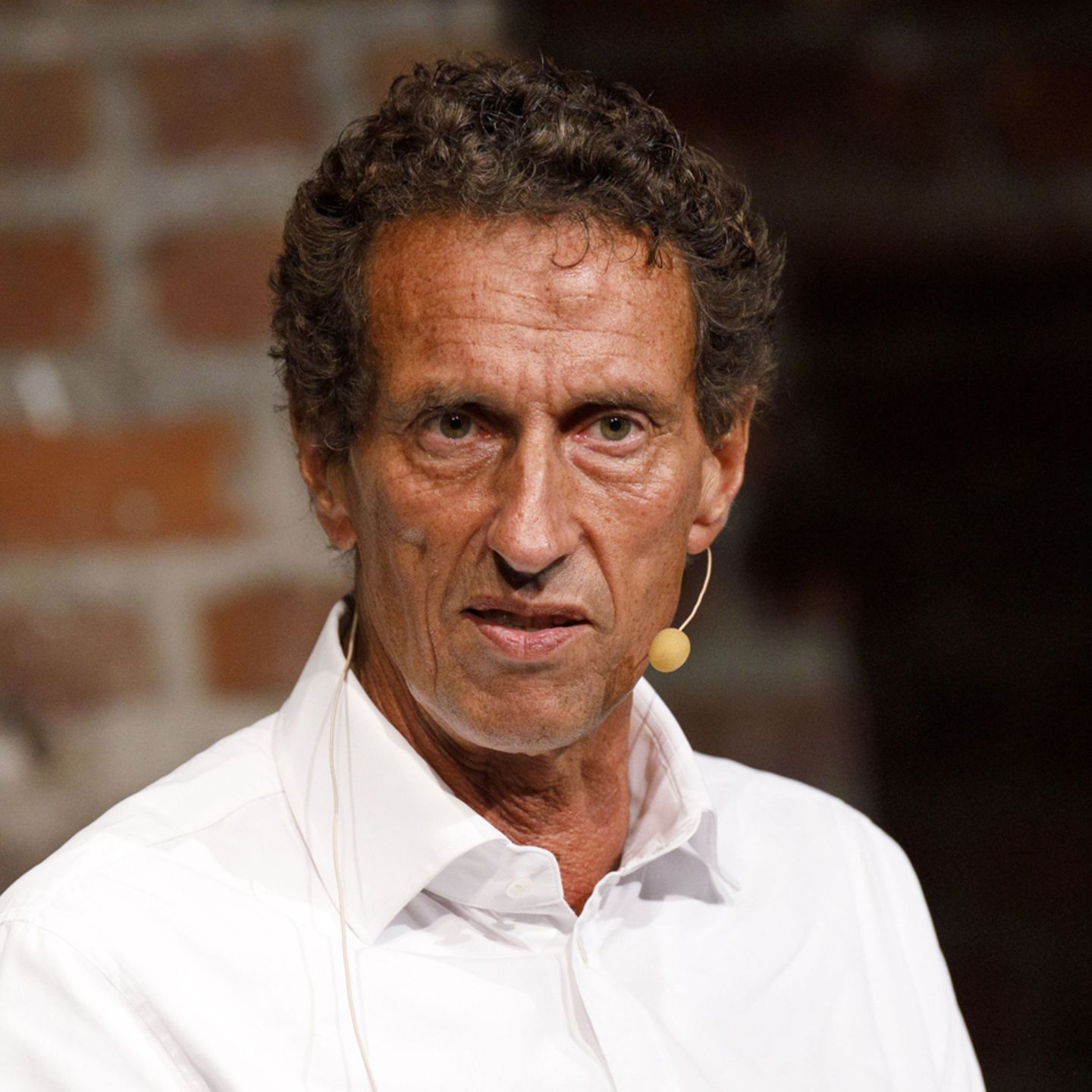
Dr. Julian Mond is a visual storyteller and researcher dedicated to the intersection of light, history, and human emotion. With a doctorate in Visual Arts, he combines academic precision with a cinematic eye to transform fleeting moments into timeless narratives. Through Mond Photos, he explores the world as a living gallery.